
Description
Origin:
The American Eskimo Dog, often called the “Eskie,” is a member of the Spitz family and was developed in the United States from German Spitz-type dogs brought to America by European immigrants.
Despite its name, the breed does not originate from Alaska or from the Inuit/Eskimo peoples. The breed became especially popular in the United States during the late 1800s and early 1900s and was well known for its intelligence, beautiful white coat, and impressive performances in traveling circuses.
Size:
American Eskimo Dogs come in three recognized sizes:
- Toy: 9–12 inches
- Miniature: Over 12–15 inches
- Standard: Over 15–19 inches
- Weight: Approximately 6–35 pounds, depending on size
Appearance:
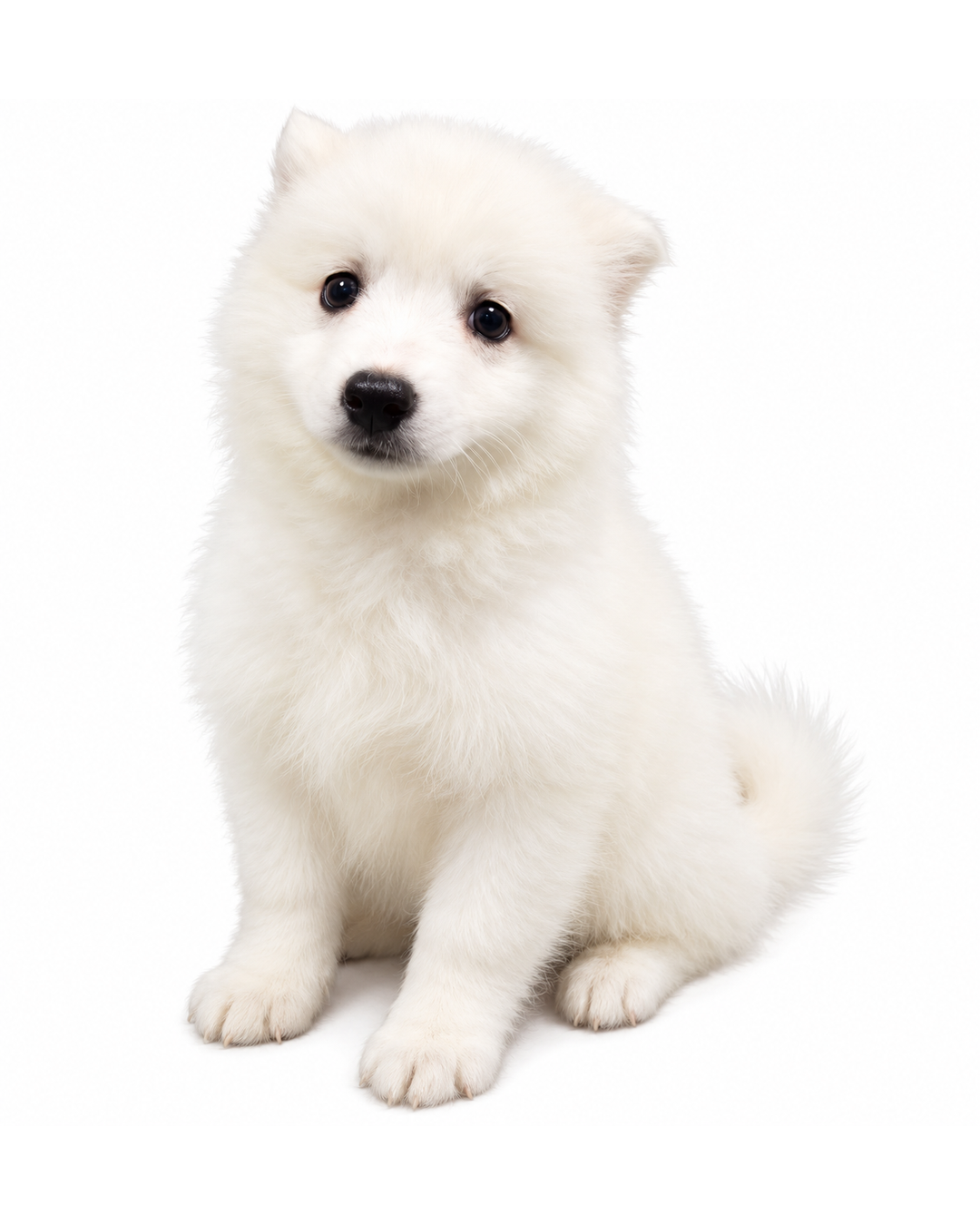
American Eskimo Dogs are known for their beautiful white or white-and-biscuit-cream double coat and classic Spitz appearance.
They typically have upright triangular ears, dark expressive eyes, a black nose and lips, and a fluffy tail that curls over the back. A thick mane of fur around the neck and chest gives them an especially full and elegant appearance.
Their combination of a bright expression and fluffy white coat makes the American Eskimo Dog a very distinctive breed.
Temperament:
- Intelligent and highly trainable
- Affectionate and loyal
- Playful and energetic
- Alert and attentive
- Social and people-oriented
American Eskimo Dogs are exceptionally bright, curious, and eager to learn. They often form strong bonds with their families and enjoy being included in everyday activities.
Their intelligence can make them excellent candidates for obedience training, tricks, and dog sports. They are also naturally alert and may bark to let their family know when someone is approaching.
Early training and socialization are important for developing a confident and well-mannered companion.
Exercise Needs:
American Eskimo Dogs generally have moderate to high energy levels and benefit from daily physical activity and mental stimulation.
Daily walks, play sessions, training exercises, puzzle toys, and interactive games can help keep them happy and engaged. Their intelligence means that mental exercise can be just as important as physical exercise.
They often enjoy activities that allow them to learn, perform, and spend time with their families.
Grooming:
The American Eskimo Dog has a thick double coat that requires regular brushing to remove loose hair and help prevent tangles and matting.
Brushing approximately 2–3 times per week is recommended, with more frequent brushing during periods of heavier seasonal shedding.
Routine grooming should include:
- Regular brushing
- Ear cleaning
- Nail trimming
- Dental care
- Occasional bathing
- Extra brushing during shedding seasons
American Eskimo Dogs do shed, particularly when shedding their undercoat seasonally.
Health:
American Eskimo Dogs are generally a healthy breed, but potential health concerns may include hip dysplasia, patellar luxation, progressive retinal atrophy (PRA), other eye conditions, and dental problems, particularly in smaller dogs.
Regular veterinary examinations, preventative healthcare, appropriate nutrition, exercise, and good dental care can help support their overall health and quality of life.
Good With Kids & Other Pets?
Yes! American Eskimo Dogs are generally affectionate, playful, and family-oriented and can do very well with children when properly trained and socialized.
They can also get along well with other dogs and household pets, particularly when introduced and socialized from a young age.
Because they are intelligent, energetic, and highly people-oriented, American Eskimo Dogs can make wonderful companions for families, active individuals, and owners looking for an intelligent small-to-medium-sized dog.
Overall, the American Eskimo Dog is a beautiful, intelligent, affectionate, and energetic companion known for its striking white coat, trainability, and strong bond with its family.
Reviews
There are no reviews yet.